
In my last post about this topic on misophonia, I took a very big leap of faith and “came out” to the world about my relationship with misophonia. Opening up about a condition like this isn’t easy, but taking that mask off felt like a necessary first step toward figuring out how to live with it.
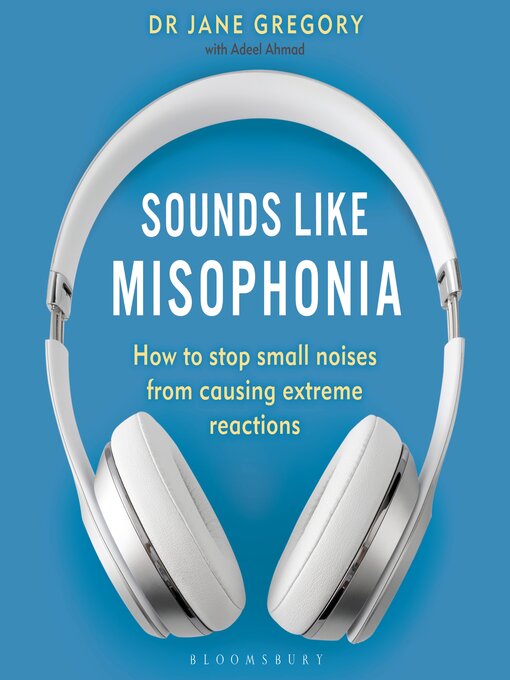
Last year, my husband bought me a book about misophonia to help me better understand what’s actually going on in my head and how to cope on a day-to-day basis. Reading it was an incredible relief. For the longest time, I felt isolated—like I was the only person in the world tortured by sounds everyone else seemed to tune out. Seeing my experiences validated on paper changed everything.
One of the biggest takeaways was learning that misophonia exists on a spectrum. Thankfully, my condition isn’t on the extreme right end. I am mostly triggered by one specific sound, primarily during meal times when people try to clean their teeth (even writing this line makes me shudder urrgh). Sometimes, repetitive (expected) sounds could also piss me off quite badly. For instance, there used to be a satay man who comes to our neighbourhood over the weekend to sell satay and he would make this weird call to let everyone know he’s here. Every time he starts, I will tense up and kind of keep a ‘hear out’ for the next call out from him. The whole afternoon would go by with me being very tensed up by the sound. It’s not his fault of course, but I wished he could just stop and go away. My afternoons at home would only get better when his satay sold out for the day.
It’s not easy to live with this condition. Dinner is usually the time when family and friends gather to connect and catch up. However, instead of enjoying the conversation, I’d find myself completely tuning out, trapped inside my own head just trying to survive the sensory overload when that sound starts. The book explained that this isn’t a personality flaw—part of my brain might just be genetically wired differently, making me hyper-sensitive to specific triggers without my permission. Though, to be completely honest, I also suspect a piece of it might stem from a childhood trauma which I will not elaborate further here. Knowing there is a biological basis for my reactions took a huge weight off my shoulders; knowing that there is a proper term to call my condition helps me legitimise my reactions and reduce the likelihood of people shrugging their shoulders me off.
The most liberating part of reading this book is knowing that the problem lies with my perception, not with the people around me. I used to carry so much quiet rage inside of me. Whenever someone made that sound, my internal monologue was vicious:
“Isn’t it so rude to make that noise?”
“Why are they disturbing everyone?”
“Can’t they see I’m suffering?”
“Do they hate me?”
I genuinely thought they were doing it intentionally to make my life miserable. Reading this book made me realize those thoughts were completely moot. The people making those sounds are just existing normally. They aren’t trying to hurt me, and they aren’t uncouth—my brain is just misinterpreting harmless input as an immediate threat. Understanding this shifted my perspective entirely. The anger has melted away, and I can be more at peace with myself than I used to be.
The book also offered a variety of clinical techniques and methods to gradually desensitize oneself to trigger sounds. Honestly, at this stage in my life, I don’t feel like forcing myself through uncomfortable exposure therapy. Instead, I’m sticking to an easier way out, which is to avoid as much of the sound as possible. Some of my triggers are predictable (depending on where I am), and in these instances, when I know when to expect them, I can better avoid them as well. My noise-canceling earphones have become my absolute savior. I put them on before the sounds even start, effectively tuning the sounds out ahead of time.
This book gave me two incredible gifts:
-
Validation: I now know I’m not crazy or broken. My condition is real and legitimate.
-
A Voice: It gave me the vocabulary and courage to explain my “strange” behavior to those close to me so that they can understand who I really am without any judgements.
Now, I can politely excuse myself from the dinner table early without feeling immense guilt. While I doubt I would ever have the courage to explain myself to the older generation (I can already imagine how my dad will react), at least I have succeeded in making a few from my family understand my needs. If there’s a need to in future, I can come back to this book for help and support, to find the right words to back me up when I talk to more people about it.
Getting educated about it didn’t magically cure my misophonia, but it gave me my peace of mind back—and that itself has made all the difference that I needed to get my life back on track. I hope more research can be done in this area of work so that more people, or those with more serious conditions, can get the help and support they need to get through life.