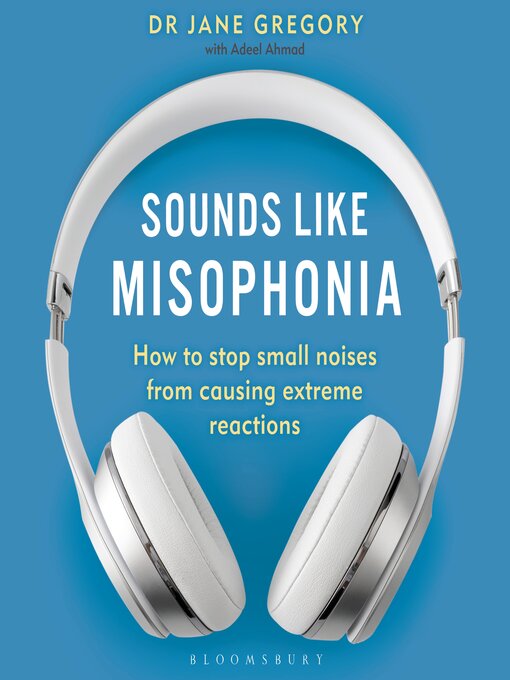
In my last post about this topic on misophonia, I took a very big leap of faith and “came out” to the world about my relationship with misophonia. Opening up about a condition like this isn’t easy, but taking that mask off felt like a necessary first step toward figuring out how to live with it.
I went back to our old HDB flat in Clementi sometime back last month. I’ve gone back there a couple of times before, always to reminisce the nice old memories and the carefree days back when I was a child. This time round, I took the chance to take some snapshots of these memories so that I can keep them with me forever.
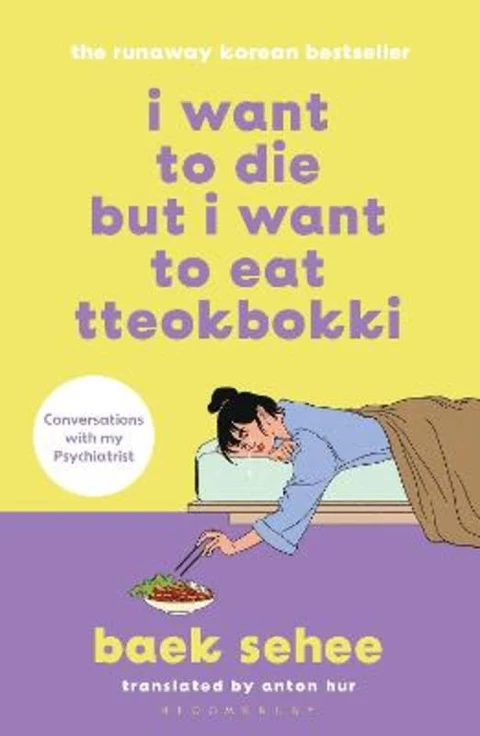
I first paid attention to ‘I Want to Die but I Want to Eat Tteokbokki’ out of sheer curiosity.It was sitting at the top of the bestseller lists, and its title hit that rare sweet spot—quirky, cute, and deeply intriguing all at once. But behind that relatable, almost humorous title lies a profound, raw look into a mind battling persistent darkness. More than just following a trend, I wanted to understand the internal mental landscape of someone living with suicidal thoughts—especially someone brave enough to lay those thoughts bare for the world to see. I wanted to understand the why and the how behind those psychological needs.
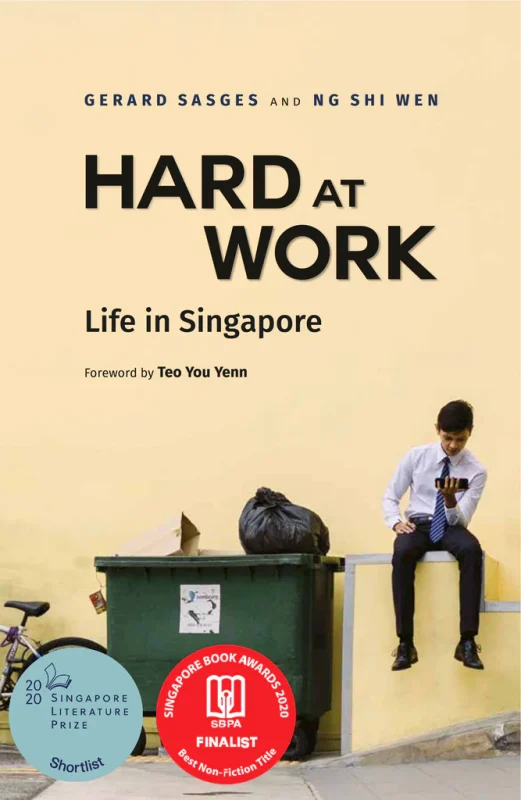
A Grounding, Eye-Opening Look Into the Lives That Power Singapore
This book is an extraordinary collation of true, heartfelt personal stories detailing what individuals from all walks of life do for a living—and, more importantly, how they truly feel about what they do. Reading through these pages made me realize just how many professions exist right around us that I was completely unaware of. From foreign workers coming to Singapore for short-term stints at night bars and the local agents who manage this pool of service providers, to retirees tending community gardens or directing passengers at train stations, the book highlights a vast spectrum of human activities in Singapore.